Níveis saudáveis de testosterona são uma parte importante da saúde masculina. A testosterona ajuda a apoiar a massa muscular, força, densidade óssea, energia, humor e saúde sexual. Produzida principalmente nos testículos, os níveis de testosterona aumentam substancialmente durante a puberdade, geralmente atingem o pico no início da idade adulta e diminuem gradualmente com a idade.
Por Que a Testosterona é Importante?
A testosterona desempenha um papel central na fisiologia masculina. Ajuda a manter a massa e a força muscular, apoia a composição corporal saudável e é essencial para manter ossos fortes e saudáveis.
A testosterona também influencia a energia, a motivação, o humor e a sensação geral de bem-estar. Manter níveis saudáveis de testosterona pode, portanto, contribuir para a vitalidade física e emocional durante a vida adulta.
A saúde sexual é outra consideração importante. A testosterona desempenha um papel fundamental na libido e na função sexual normal, e níveis decrescentes podem estar associados à redução do desejo sexual e mudanças no bem-estar sexual.
Compreendendo a baixa testosterona
Pesquisas sugerem que os níveis de testosterona em homens diminuíram nas últimas décadas além do que seria esperado apenas com o envelhecimento. Estudos populacionais encontraram níveis mais baixos de testosterona em gerações de homens mais recentemente estudadas, incluindo adultos mais jovens.1
A testosterona diminui naturalmente com a idade, mas os níveis também podem ser influenciados pelo peso corporal, atividade física, sono, estresse, nutrição, medicamentos e saúde geral. Manter um estilo de vida saudável pode, portanto, desempenhar um papel importante no apoio à produção normal de testosterona durante a vida adulta.
Alterações às vezes associadas a baixos de testosterona incluem redução de energia, diminuição da libido, perda de massa e força muscular, mudanças na composição corporal e mudanças no humor ou motivação. No entanto, esses sintomas não são específicos da testosterona e podem ter muitas outras causas.
Homens com sintomas persistentes devem discuti-los com um profissional de saúde. A baixa testosterona é avaliada adequadamente por meio de uma combinação de sintomas e testes laboratoriais apropriados, em vez de apenas sintomas.
Fatores de estilo de vida para apoiar a saúde masculina
Um estilo de vida saudável fornece a base para manter a produção normal de testosterona. Exercícios regulares de resistência, manutenção de um peso corporal saudável, dieta rica em nutrientes, controle do estresse e sono adequado podem ajudar a manter níveis saudáveis de testosterona. Certos suplementos nutricionais e fitoterápicos podem fornecer suporte adicional.
Uma consideração importante ao avaliar a pesquisa é o nível inicial de testosterona de um homem. Os estudos incluem homens com níveis mais baixos de testosterona e homens cujos níveis já estão dentro de uma faixa saudável, e os resultados podem diferir consideravelmente entre esses grupos. Um ingrediente que suporta a testosterona em homens com níveis mais baixos pode ter pouco ou nenhum efeito em homens que já têm níveis saudáveis.
Se você está preocupado com seu nível de testosterona, converse com um profissional de saúde sobre os testes apropriados. Isso é especialmente importante se você tiver sintomas persistentes ou estiver considerando suplementos específicos para suporte de testosterona.
Sono
O sono adequado é importante para manter níveis saudáveis de testosterona em homens. Pesquisas mostram que um sono insuficiente ou de baixa qualidade pode levar à diminuição da produção de testosterona.2
Durante o sono, o corpo passa por processos essenciais, incluindo a liberação de testosterona. Na verdade, a maior parte da testosterona no corpo é liberada durante o sono. A privação crônica do sono ou interrupções nos padrões de sono podem prejudicar esse processo, resultando em níveis mais baixos de testosterona.
Priorizar uma boa higiene do sono mantendo um horário de sono consistente, criando um ambiente de sono confortável e praticando técnicas de relaxamento pode ajudar a suportar a produção ideal de testosterona.
Dieta
O que os homens comem pode impactar seus níveis de testosterona. Uma dieta rica em alimentos processados pode levar à diminuição da função testicular, incluindo níveis mais baixos de testosterona. Um estudo recente descobriu que homens que comiam mais pães e doces, sobremesas, produtos lácteos e refeições fora de casa eram mais propensos a ter função testicular diminuída. Por outro lado, homens que comiam mais alimentos caseiros e vegetais verde-escuros tinham maior probabilidade de ter função testicular normal.3
Outras pesquisas descobriram que homens com um padrão alimentar ocidental, incluindo grandes quantidades de alimentos processados e lanches, tinham função testicular diminuída. Nesses estudos, homens que comeram mais peixe, frango, vegetais e frutas tiveram melhor função testicular.4
Esses estudos são observacionais, então não podem estabelecer um vínculo causal definitivo entre a ingestão dietética e a baixa testosterona. No entanto, eles oferecem evidências de que comer uma dieta de alimentos integrais com muitos vegetais e proteínas magras está associada a uma melhor função testicular e níveis de testosterona.
Vitaminas, Minerais e Ácidos Graxos Essenciais
Várias vitaminas, minerais, ácidos graxos e outros nutrientes foram estudados por seus papéis na produção de testosterona e na saúde reprodutiva masculina. Uma consideração importante é o estado nutricional: para nutrientes como zinco e vitamina D, corrigir a ingestão inadequada ou a deficiência pode ser mais relevante do que a suplementação em homens que já têm níveis adequados.
Vitamina D
A vitamina D é essencial para a saúde óssea, muscular, imunológica e geral. Os receptores de vitamina D também são encontrados nos tecidos reprodutivos masculinos, o que levou a pesquisas consideráveis sobre sua relação com a testosterona.
O baixo nível de vitamina D foi associado a níveis mais baixos de testosterona em alguns estudos, embora os ensaios clínicos de suplementação tenham produzido resultados mistos. Manter níveis adequados de vitamina D é importante para a saúde geral e pode ajudar a manter a função hormonal saudável, particularmente em homens com níveis inadequados de vitamina D.5
Boro
O boro é um oligoelemento envolvido no metabolismo ósseo e mineral e interage com nutrientes como vitamina D, cálcio e magnésio. Pesquisas preliminares em humanos também sugerem que o boro pode influenciar o metabolismo dos hormônios esteróides.
Pequenos estudos relataram aumentos na testosterona livre após a suplementação de boro, mas a evidência clínica permanece limitada. Portanto, o boro é melhor visto como um oligoelemento com um papel potencial no apoio ao metabolismo hormonal saudável do que como um impulsionador de testosterona estabelecido.6
Ácidos Graxos Ômega-3
O óleo de peixe é rico em ácidos graxos ômega-3, como EPA e DHA, que são componentes importantes das membranas celulares e apoiam a saúde cardiovascular, cerebral e metabólica. Eles também foram estudados por seu papel potencial na saúde reprodutiva masculina.
Em um estudo controlado, a suplementação com óleo de peixe rico em DHA por 12 semanas apoiou níveis mais altos de testosterona em homens com sobrepeso e obesidade, mas não em mulheres. Embora sejam necessárias mais pesquisas para determinar seus efeitos sobre a testosterona, a suplementação de ômega-3 pode ajudar a apoiar a saúde reprodutiva e metabólica geral.7 O óleo de peixe também apoia a função cardiovascular e a saúde mental.
Magnésio
Magnésio é um mineral essencial envolvido em centenas de reações bioquímicas, incluindo produção de energia e funções musculares, nervosas e metabólicas normais. A pesquisa também sugere uma relação entre o status de magnésio e os níveis saudáveis de testosterona.
Em um estudo, a suplementação de magnésio foi associada ao aumento da testosterona livre e total em homens e atletas sedentários, com maiores aumentos observados quando a suplementação foi combinada com exercícios. Embora pesquisas adicionais sejam necessárias, manter a ingestão adequada de magnésio pode ajudar a apoiar a produção normal de testosterona como parte de seu papel mais amplo na saúde masculina.8
O magnésio está disponível em várias formas, com formas ionizadas populares, como citrato e glicinato, sendo mais bem toleradas do que o óxido de magnésio, que pode causar fezes soltas e desconforto digestivo.
Zinco
O zinco é um mineral essencial necessário para a função imune, síntese de DNA, divisão celular, reprodução e vários sistemas enzimáticos. Também desempenha um papel importante na função reprodutiva e hormonal masculina normal.
A deficiência de zinco tem sido associada à redução dos níveis de testosterona, enquanto a restauração da ingestão adequada de zinco em homens deficientes pode apoiar o retorno da testosterona aos níveis normais. Por esse motivo, o nível adequado de zinco é particularmente importante para manter a produção saudável de testosterona.9
Betaína
A betaína, também conhecida como trimetilglicina ou TMG, é um composto natural encontrado em alimentos como beterraba e espinafre. Funciona como um importante doador de metilo e apoia o metabolismo normal da homocisteína e do fígado.
A betaína também atraiu interesse na nutrição esportiva por seus efeitos potenciais na força, composição corporal e respostas hormonais ao exercício. Pequenos estudos em homens treinados em resistência relataram mudanças favoráveis nas medidas relacionadas à testosterona após a suplementação. No entanto, a evidência permanece preliminar e a betaína está melhor estabelecida como doadora de metila e nutriente de suporte ao desempenho do que como suplemento de suporte de testosterona.10
Ervas e Extratos Herbais
Medicamentos fitoterápicos, incluindo ervas inteiras e extratos padronizados, foram estudados por sua capacidade de sustentar níveis saudáveis de testosterona, saúde sexual e outros aspectos da vitalidade masculina. A evidência é mais forte para certos extratos padronizados, e os resultados podem variar consideravelmente dependendo da preparação e da dose usada.
Ashwagandha
Ashwagandha (Withania somnifera) é uma erva adaptogênica com uma longa história de uso na medicina ayurvédica. Além de ajudar a apoiar uma resposta saudável ao estresse, estudos clínicos sugerem que certos extratos de ashwagandha podem apoiar níveis saudáveis de testosterona em homens. Ashwagandha também pode apoiar a força, o desempenho físico, a energia e a saúde reprodutiva masculina.11
Feno-Grego
O feno-grego (Trigonella foenum-graecum) tem uma longa história de uso como alimento e fitoterapia. Extratos padronizados de feno-grego foram estudados por seus efeitos na saúde sexual e hormonal masculina. Pesquisas clínicas sugerem que certos extratos de feno-grego podem ajudar a manter níveis saudáveis de testosterona, libido, força e composição corporal em homens.12
Tongkat Ali
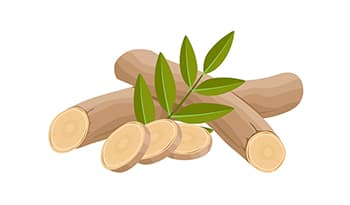
Tongkat Ali (Eurycoma longifolia), às vezes chamada de ginseng malaio, é uma erva do sudeste asiático tradicionalmente usada para promover energia, vitalidade e saúde sexual. Pesquisas clínicas modernas sugerem que os extratos padronizados de Tongkat Ali podem ajudar a manter níveis saudáveis de testosterona, particularmente em homens que sofrem alterações relacionadas à idade ou ao estresse na função hormonal. Também pode apoiar a libido, energia, humor e resiliência ao estresse.13
Tribulus
Tribulus (Tribulus terrestris) tem sido tradicionalmente usado para apoiar a vitalidade masculina e a saúde sexual. Apesar de sua reputação como uma erva que aumenta a testosterona, as evidências clínicas não mostram consistentemente que o Tribulus aumenta a testosterona em homens com níveis normais. Seu papel mais convincente pode ser apoiar a libido e o bem-estar sexual geral, em vez de apoiar diretamente a produção de testosterona.14
Romã e Cacau
Romã (Punica granatum) e cacau (Theobroma cacao) são mais conhecidos por seus benefícios antioxidantes e cardiovasculares, mas uma combinação específica de extratos padronizados de casca de romã e sementes de cacau também foi estudada para a saúde hormonal masculina. Em ensaios clínicos randomizados e controlados por placebo, essa combinação proprietária apoiou aumentos na testosterona livre e total e melhorias nas medidas de vitalidade masculina ao longo de oito semanas.15
Suplementos que apoiam o fluxo sanguíneo e a libido, não a testosterona
Nem todo suplemento comercializado para a saúde masculina funciona apoiando a testosterona. Vários ingredientes populares apoiam principalmente a produção de óxido nítrico, o fluxo sanguíneo saudável e a função sexual. Essa distinção é importante porque a testosterona e a função sexual saudável são aspectos relacionados, mas separados, da saúde masculina.
L-Arginina e L-Citrulina
L-arginina e L-citrulina são aminoácidos que apoiam a produção corporal de óxido nítrico, uma importante molécula sinalizadora que ajuda os vasos sanguíneos a relaxar e promove a circulação saudável. A L-citrulina é eficientemente convertida em L-arginina nos rins e pode ser uma forma eficaz de aumentar os níveis circulantes de arginina. Estudos clínicos sugerem que a suplementação com esses aminoácidos pode apoiar a função sexual saudável, particularmente em homens com dificuldades leves. A L-arginina tem um corpo maior de pesquisas clínicas, enquanto a L-citrulina tem a vantagem de maior biodisponibilidade oral.16,17
Picnogenol (extrato de casca de pinheiro marítimo francês)
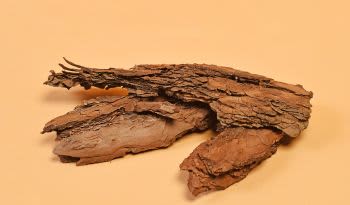
Pycnogenol é um extrato padronizado de casca de pinheiro marítimo francês rico em polifenóis antioxidantes que apoiam a função endotelial e a produção corporal de óxido nítrico. Muitas das pesquisas sobre a função sexual masculina combinaram o picnogenol com a L-arginina. Estudos clínicos sugerem que essa combinação pode apoiar a função sexual, a satisfação sexual e outras medidas da saúde sexual masculina. Seu papel principal parece envolver apoiar a função vascular e endotelial saudável, em vez de influenciar diretamente a testosterona.18
Panax Ginseng (ginseng coreano ou asiático)
Panax ginseng tem uma longa história de uso tradicional para energia, vitalidade e saúde sexual. Pesquisas clínicas modernas sugerem que o ginseng pode apoiar certos aspectos da função sexual masculina, incluindo a função sexual e a capacidade de ter relações sexuais. No entanto, os resultados variaram entre os estudos, e uma revisão sistemática da Cochrane classificou a evidência geral como baixa certeza. O ginseng pode, portanto, ser mais apropriadamente visto como uma erva tradicional de vitalidade com benefícios potenciais para energia e bem-estar sexual, em vez de um ingrediente direto de suporte à testosterona.19
Erva daninha de cabra excitada (Epimedium)
A erva daninha de cabra excitada (espécie Epimedium ) tem sido usada tradicionalmente na medicina chinesa para apoiar a vitalidade sexual. Seu constituinte mais conhecido, a icariína, atraiu considerável interesse científico porque pesquisas em laboratório e em animais indicam que ela pode influenciar a sinalização do óxido nítrico e as vias da fosfodiesterase tipo 5 (PDE5) envolvidas na função sexual saudável. No entanto, diferentemente dos inibidores de PDE5 prescritos, atualmente faltam evidências clínicas convincentes em humanos. A erva de cabra excitada é, portanto, melhor vista como uma erva tradicional para a saúde sexual masculina, com pesquisas pré-clínicas promissoras, em vez de um suplemento estabelecido de testosterona ou função sexual.20
Leia o rótulo antes de combinar qualquer coisa
Suplementos que influenciam o óxido nítrico e a circulação podem ter efeitos aditivos com medicamentos que afetam a pressão arterial ou o fluxo sanguíneo. Homens que tomam nitratos, medicamentos para pressão arterial, anticoagulantes, medicamentos antiplaquetários ou medicamentos prescritos para a função sexual devem discutir a suplementação com seu profissional da área de saúde.
A qualidade do produto é especialmente importante na categoria de aprimoramento sexual porque os reguladores identificaram alguns produtos adulterados com ingredientes farmacêuticos não declarados. Escolha fabricantes confiáveis com testes de qualidade apropriados.21
Finalmente, mudanças persistentes na função sexual saudável não devem ser tratadas simplesmente como um problema de suplemento. Às vezes, as dificuldades com a vitalidade sexual masculina podem acompanhar alterações cardiovasculares, metabólicas, vasculares ou hormonais, fazendo com que os sintomas persistentes valham a pena discutir com um profissional de saúde.
Segurança e Riscos Potenciais
Muitos dos suplementos e ervas mencionados aqui são amplamente utilizados e geralmente considerados seguros para a maioria dos homens. Ainda assim, é importante lembrar que os suplementos podem interagir com certos medicamentos ou outros suplementos. Embora raros, alguns indivíduos podem ser alérgicos a certas ervas ou suplementos, levando a reações alérgicas. Sempre converse com um profissional de saúde antes de usar qualquer nova erva ou suplemento.
Conclusão
Os níveis de testosterona nos homens em todo o mundo têm diminuído nas últimas décadas. Estudos indicam uma diminuição significativa nos níveis de testosterona nos homens de hoje em comparação com gerações anteriores, mesmo considerando fatores relacionados à idade. Este declínio gerou preocupação nos círculos de saúde e pesquisa, levando a investigações sobre possíveis causas subjacentes e opções de tratamento. Existem muitas opções naturais para melhorar os níveis de testosterona, mas são necessárias mais pesquisas para estabelecer qual funciona melhor.
Referências:
- Lokeshwar SD, Patel P, Fantus RJ e outros. Declínio nos níveis séricos de testosterona entre adolescentes e homens adultos jovens nos EUA. Eur Urol Focus. 2021; 7 (4) :886-889. doi:10.1016/j.euf.2020.02.006.
- Leproult R, Van Cauter E. Efeito de 1 semana de restrição do sono nos níveis de testosterona em homens jovens saudáveis. JAMA. 1º de junho de 2011; 305 (21): 2173-4.
- Hu TY, Chen YC, Lin P, Shih CK, Bai CH, Yuan KC, Lee SY, Chang JS. O padrão alimentar associado à testosterona prediz baixos níveis de testosterona e hipogonadismo. Nutrients. 2018 Nov 16;10(11):1786.
- Nassan FL, Jensen TK, Priskorn L, et al. Associação de padrões alimentares com a função testicular em jovens dinamarqueses. JAMA Net Open. 2020; 3 (2) :e1921610. doi:10.1001/jamanetworkopen.2019.21610.
- Pilz S, Frisch S, Koertke H, Kuhn J, Dreier J, Obermayer-Pietsch B, Wehr E, Zittermann A. Efeito da suplementação de vitamina D nos níveis de testosterona em homens. Horm Metab Res. março de 2011; 43 (3) :223-5.
- Naghii MR, Mofid M, Asgari AR, Hedayati M, Daneshpour MS. Efeitos comparativos da suplementação diária e semanal de boro nos hormônios esteróides plasmáticos e nas citocinas pró-inflamatórias. J Trace Elem Med Biol. Janeiro de 2011; 25 (1): 54-8.
- Abbott K, Burrows TL, Acharya S, Thota RN, Garg ML. A suplementação dietética com óleo de peixe rico em ácido docosahexaenóico aumenta os níveis circulantes de testosterona em homens com sobrepeso e obesidade. Ácidos graxos essenciais de prostaglandinas Leukot. Dezembro de 2020; 163:102204.
- Cinar V, Polat Y, Baltaci AK, Mogulkoc R. Efeitos da suplementação de magnésio nos níveis de testosterona de atletas e indivíduos sedentários em repouso e após a exaustão. Biol Trace Elem Res. abril de 2011; 140 (1): 18-23.
- Santos HO, Teixeira FJ. Uso de doses medicinais de zinco como coadjuvante seguro e eficiente no tratamento do hipogonadismo masculino. Envelhecimento masculino. Dezembro de 2020; 23 (5): 669-678.
- Zawieja E, Durkalec-Michalski K, Sadowski M, Główka N, Chmurzynska A. A suplementação de betaína melhora o desempenho do CrossFit e aumenta os níveis de testosterona, mas não tem influência na potência de Wingate: estudo cruzado randomizado. J Int Soc Sports Nutr. 2023 Dec;20(1):2231411.
- Lopresti AL, Drummond PD, Smith SJ. Um estudo cruzado randomizado, duplo-cego, controlado por placebo que examina os efeitos hormonais e de vitalidade da Ashwagandha (Withania somnifera) em homens idosos e com sobrepeso. Am J Mens Health. 2019 Mar-Apr;13(2):1557988319835985.
- Mansoori A, Hosseini S, Zilaee M, Hormoznejad R, Fathi M. Efeito do suplemento de extrato de feno-grego nos níveis de testosterona em homens: uma meta-análise de ensaios clínicos. Phytother Res. julho de 2020; 34 (7): 1550-1555.
- Leisegang K, Finelli R, Sikka SC, Panner Selvam MK. Eurycoma longifolia (Jack) melhora a testosterona sérica total em homens: uma revisão sistemática e meta-análise de ensaios clínicos. Medicina (Kaunas). 2022 Aug 4;58(8):1047.
- Kamenov Z, Fileva S, Kalinov K, Jannini EA. Avaliação da eficácia e segurança do Tribulus terrestris na disfunção sexual masculina - um ensaio clínico prospectivo, randomizado, duplo-cego e controlado por placebo. Maturitas. 2017 May;99:20-26.
- Sreeramaneni PGA, Yalamanchi A, Konda MR, Cherukuri SHV, Maroon JC. Uma mistura herbácea patenteada contendo extratos de casca de fruta Punica granatum e sementes de cacau Theobroma aumenta o nível sérico de testosterona em homens jovens saudáveis: um estudo randomizado, duplo-cego controlado por placebo. J Diet Suppl. 2023;20(3):411-427.
- Koolwal, A., Manohar, S., Rao, T.S.S. e Koolwal, GD (2019). L-arginina. Jornal de Saúde Psicossexual, 1 (1).
- Cormio L, De Siati M, Lorusso F, et al. A suplementação oral de L-citrulina melhora a dureza da ereção em homens com disfunção erétil leve. Urologia. 2011; 77 (1) :119-122.
- Tian Y, Zhou Q, Li W, Liu M, Li Q, Chen Q. Eficácia da L-arginina e do Pycnogenol® no tratamento da disfunção erétil masculina: uma revisão sistemática e meta-análise. Front Endocrinol (Lausanne). 2023; 14:1211720. doi: 10.3389/fendo.2023.1211720.
- Lee HW, Lee MS, Kim TH e outros. Ginseng para disfunção erétil. Cochrane Database Syst Rev. 2021; 4 (4) :CD012654. doi:10.1002/14651858.cd012654.pub2.
- Shindel AW, Xin ZC, Lin G e outros. Efeitos eretogênicos e neurotróficos da icariína, um extrato purificado de erva daninha de cabra (Epimedium spp.) in vitro e in vivo. J Sex Med. 2010; 7 (4 Pt 1): 1518-1528.
- Administração de Alimentos e Medicamentos dos EUA. X10 O suplemento de aprimoramento natural pode ser prejudicial devido aos ingredientes ocultos do medicamento. Publicado em 29 de maio de 2026. Acessado em 7 de agosto de 2026. Aviso de segurança da FDA
AVISO:
estas declarações não foram avaliadas pela Food and Drug Administration (FDA). Estes produtos não se destinam a diagnosticar, tratar, curar ou prevenir qualquer doença.

























































 Índice